Everyone picks a tracker, mostly by folklore
Every autonomy stack picks a path tracker, and the choice is usually made by folklore. Published comparisons are hard to use because they vary the vehicle model, the reference paths and the tuning effort all at once, so nothing transfers to your vehicle. Making the comparison mean anything requires holding all three fixed, and then repeating it on hardware, where the assumptions in the model start to matter.
Five controllers, one vehicle, the same courses
- Implemented pure pursuit, PID, Stanley, LQR and MPC against a common Ackermann vehicle model, with comparable tuning effort spent on each.
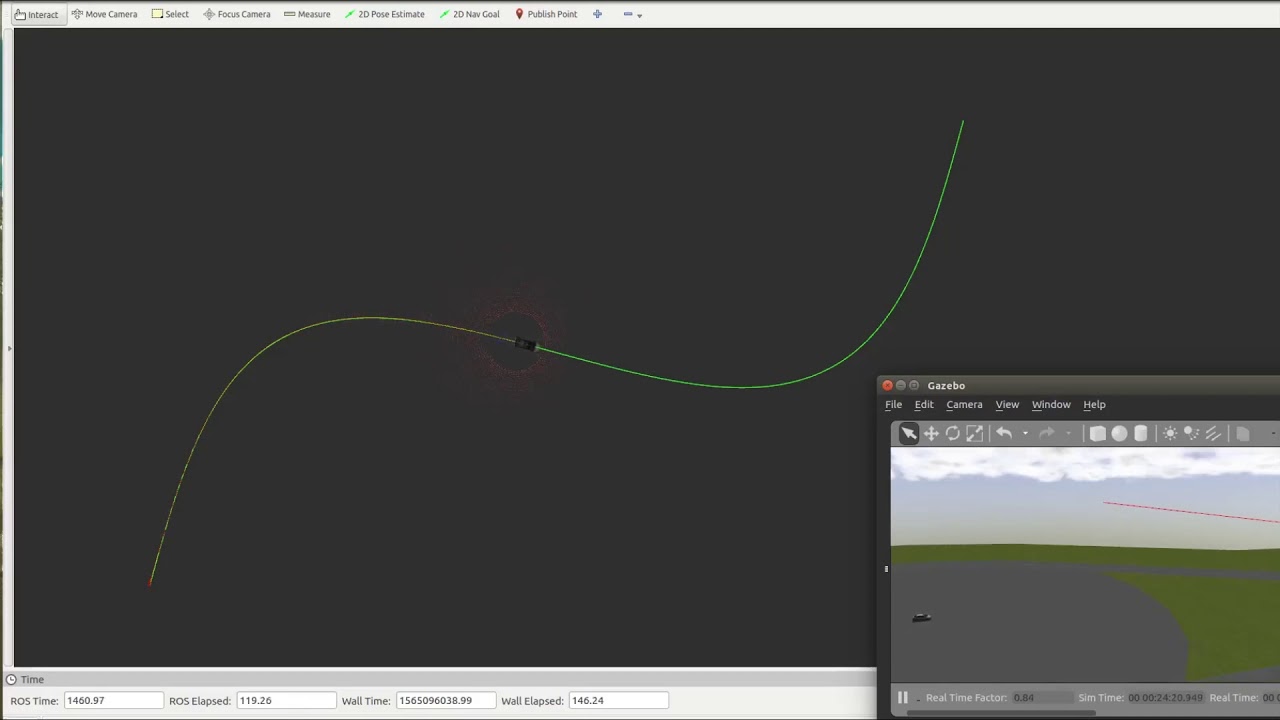
- Benchmarked all five in Gazebo on lane-shift and sinusoidal courses at matched speeds up to 30 km/h.
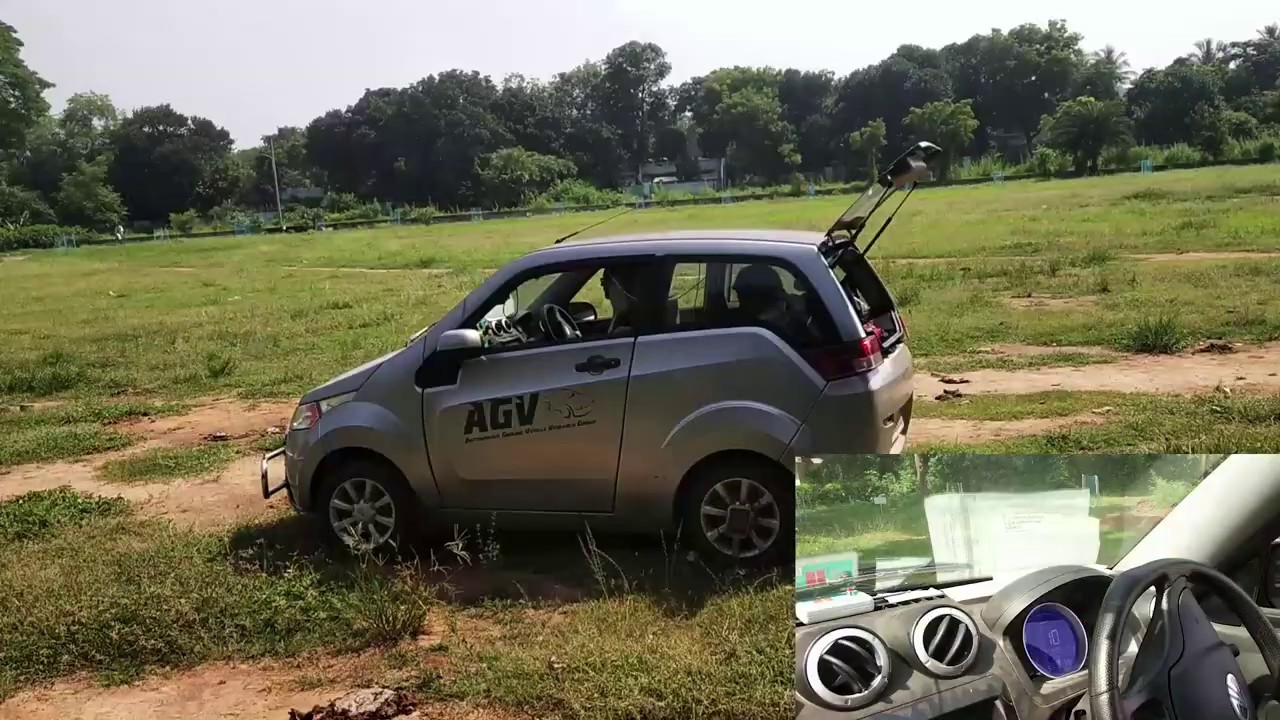
- Validated on a Mahindra e2o electric vehicle, so the comparison is not simulation-only.
MPC tracked best of the five through the medium velocity range, on identical courses in Gazebo and then on the instrumented Mahindra e2o. The paper also documents a tuning methodology for each controller, which is the part that transfers to another vehicle.
What makes the comparison mean anything
- Holding the vehicle model, the courses and the speed fixed is the whole point of the exercise. It is the only way a reader can attribute a difference in tracking error to the controller rather than to the setup.
- The two course types probe different things: the lane shift is a step response, the sinusoid is sustained curvature tracking. Controllers that look equivalent on one separate on the other.